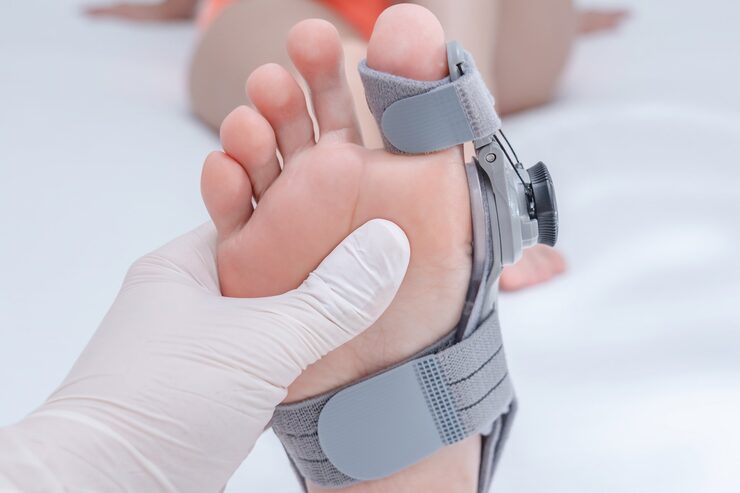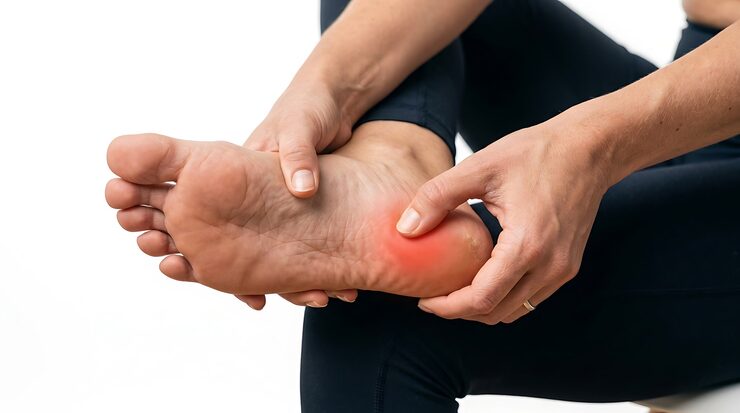


No, bunions do not always require surgery. Many people can manage bunion pain with wider shoes, protective padding, custom inserts, and simple changes to daily activities. A bunion is a bony bump that forms at the base of the big toe when the joint gradually shifts out of its normal position. It can cause swelling, redness, pressure, and discomfort while walking. Non-surgical bunion treatment can help reduce these symptoms, although it does not usually correct the position of the toe. Bunion treatment in Livingston, NJ, can help identify the cause of the pain and determine which options may provide relief.
The right treatment depends on the size of the bunion, how much pain it causes, and how it affects your daily activities. Some bunions stay small for years, while others may become more painful over time. Surgery may be needed if other treatments do not help enough and the bunion makes daily activities difficult.
What Causes Bunions to Become Painful?
A bunion forms when the big toe gradually moves towards the smaller toes, causing the joint at its base to stick out. The area may become painful when shoes press against the bump or when the joint becomes irritated.
Common signs of bunions include:
- A bump near the base of the big toe.
- Redness, swelling, or pain near the joint.
- Pain when walking or standing.
- Trouble finding shoes that fit well.
- The big toe is turning towards the second toe.
- Corns or hard skin between the toes are caused by rubbing.
Family history, foot shape, and tight shoes may increase the risk of bunions or worsen pain.
Which Non-Surgical Treatments Can Reduce Bunion Pain?
There are several ways to reduce bunion pain and make walking easier.
1. Choose wider shoes
Wear shoes with enough room for your toes. Avoid tight shoes and high heels if they cause pain.
2. Use protective pads
Bunion pads and shoe inserts may reduce pressure and rubbing. They can also make walking more comfortable.
3. Apply a cold pack
Wrap a cold pack in a towel and place it on the sore area for a short time. This may reduce pain and swelling. Do not put ice directly on your skin.
4. Change your daily activities
Avoid standing for too long or wearing shoes that cause pain. Choose activities that put less pressure on your toes.
5. Try gentle foot exercises
Simple toe movements and stretches may help keep your foot flexible. However, they cannot fix the bunion or move the bone back into place.
Can a Podiatrist Help Manage Bunions Without Surgery?
Yes. A podiatrist in Livingston can examine your foot, assess how your big toe moves, and determine whether the bunion is making it hard to walk. They may also suggest an X-ray to assess the joint’s position and the extent of any change.
Bunion treatment in Livingston, NJ, may include footwear advice, padding, orthotics, and other steps based on the symptoms. Treatment is focused on reducing pressure and improving comfort rather than removing the bump.
When Is Bunion Surgery Necessary?
Surgery may be considered when pain continues despite suitable non-surgical care or when the bunion makes everyday activities difficult. The decision should be based on symptoms and the extent to which the condition affects daily life, not simply on how large the bump appears.
A podiatrist near you may discuss surgery if there is:
- Ongoing pain that affects walking or standing.
- Difficulty wearing comfortable shoes.
- Increasing trouble with daily activities.
- Toe movement is becoming limited or painful.
- Persistent discomfort despite changes in footwear and other treatments.
Bunion surgery usually involves correcting the position of the bones around the big toe joint. Recovery can take several weeks or longer, depending on the type of surgery and individual healing. Surgery is not a guaranteed way to prevent every future foot problem.
Find Relief From Bunion Pain
Bunion discomfort does not always mean surgery is the next step. The right care plan can help reduce pressure on the joint and make everyday movement more comfortable. Goldberg Podiatry Center can assess the bunion, explain suitable treatment choices, and help determine whether non-surgical care may be enough. Book an appointment to discuss your foot pain and available treatment options.
FAQs
Can bunions go away without surgery?
No. Treatments without surgery can help reduce pain and pressure, but they usually cannot fix the bone position. Their main goal is to make walking more comfortable.
Do bunion pads help?
Yes. Bunion pads can stop the bunion from rubbing against your shoes. Make sure the pad fits well and does not make your shoe too tight. Stop using it if it causes more pain or discomfort.
Can wearing the wrong shoes make bunions worse?
Yes. Tight shoes and high heels can increase pressure on the big toe and worsen pain. Wearing comfortable shoes with enough room for your toes may help.
Can I walk normally with a bunion?
Yes. Many people with mild bunions can walk normally. But pain, swelling, or trouble moving the toe can make walking hard. Wearing comfortable shoes and getting the right care may help reduce pain.