


Foot Surgery in Livingston, NJ
Foot Surgery Near You
Most foot and ankle problems are treated with non-surgical options first. However, surgery may be considered when pain continues, the structure of the foot has changed, or conservative treatment has not provided enough improvement. At Goldberg Podiatry Center, we provide foot surgery in Livingston, NJ, for patients who need a surgical approach to address certain foot conditions and restore function.
If you are looking for foot surgery near you, we evaluate your condition and explain whether surgery is necessary. We review your symptoms, previous treatments, activity level, and how the problem affects your daily life before discussing surgical options.
What Is Foot Surgery?
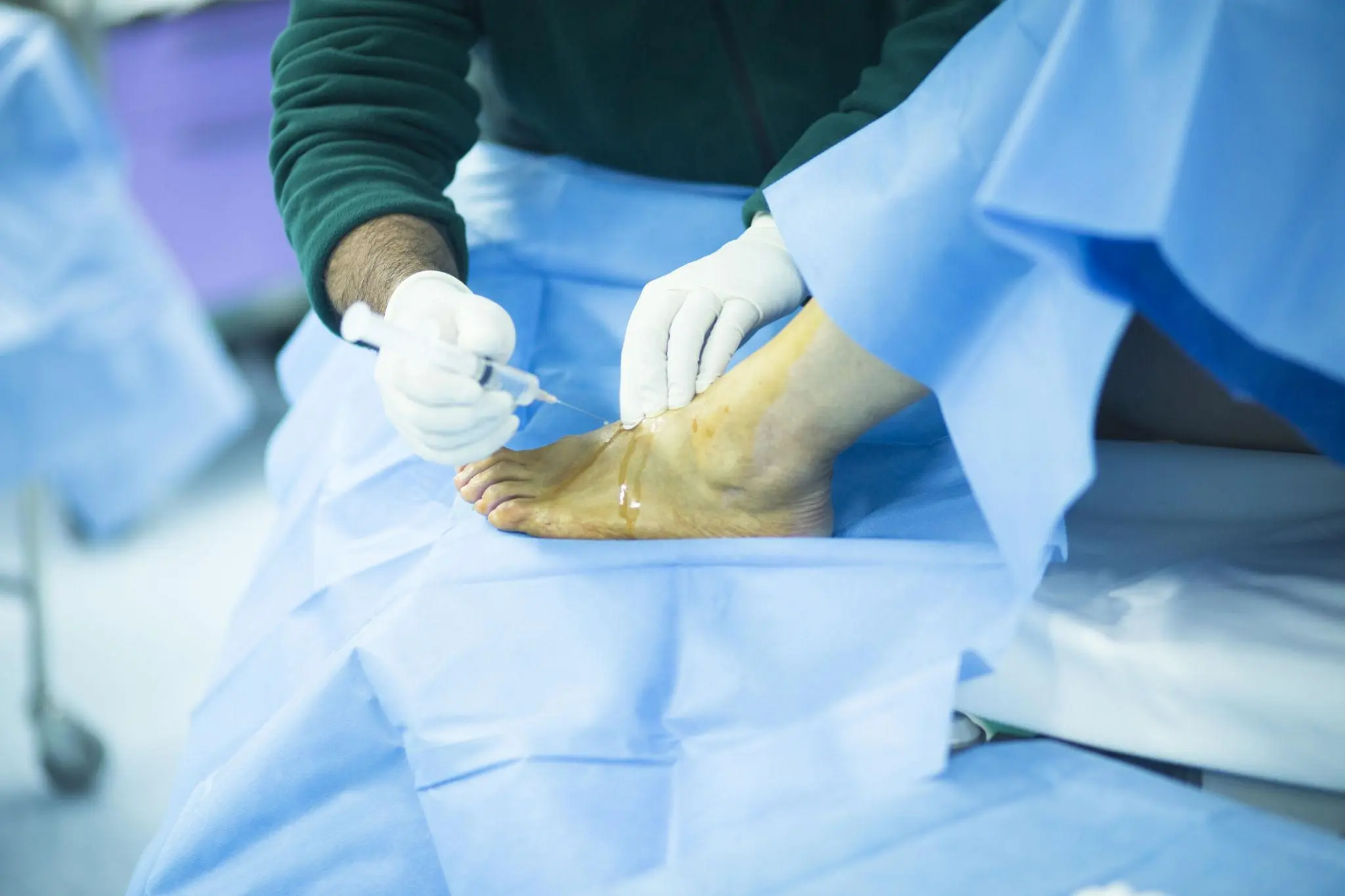
Foot surgery includes procedures used to correct structural problems, repair injured tissue, or treat conditions that have not improved with non-surgical care. The type of procedure depends on which part of the foot is affected and how severe the problem has become.
Surgery may involve bones, joints, tendons, ligaments, or other structures. In some cases, the goal is to correct alignment. In others, it may be used to repair damage, reduce pressure, or improve movement.
If ongoing foot pain is making it difficult to walk or complete normal activities, our podiatrist in Livingston, NJ, can examine the area and determine whether surgical treatment should be considered.
When Might Foot Surgery Be Needed?
Surgery is not the first choice for every foot problem. Many conditions can improve with changes in footwear, orthotics, medication, activity adjustments, or other conservative options.
An evaluation may be helpful when a condition continues to affect your comfort or mobility, such as:
Persistent Pain
Pain that continues despite appropriate treatment and care.
Bunion-Related Discomfort
A bunion that makes walking or wearing everyday footwear difficult.
Progressive Deformity
A foot deformity that continues to worsen or affect normal function.
Restricted Joint Movement
Joint stiffness that limits mobility or interferes with daily activities.
Significant Tendon or Ligament Injury
A serious injury affecting the tendons or ligaments of the foot or ankle.
Delayed Fracture Healing
A fracture that is not healing as expected or continues to cause symptoms.
The decision to have surgery depends on more than the appearance of the foot. Regular evaluation by a podiatrist near you can help assess your pain, function, mobility, and how much the condition interferes with your daily routine.
What Are the Benefits of Foot Surgery?
When surgery is appropriate, it may help correct a problem that cannot be fully managed with conservative care.
Possible benefits include:
Reducing Persistent Pain
Addressing the underlying problem to help relieve ongoing discomfort.
Correcting Structural Concerns
Addressing certain structural abnormalities that affect foot or ankle function.
Improving Joint Alignment
Restoring more appropriate joint positioning or alignment when indicated.
Repairing Damaged Tissue
Treating damaged tendons, ligaments, bones, or other affected structures.
Improving Walking Comfort
Supporting more comfortable movement during walking and daily activities.
At Goldberg Podiatry Center, we provide foot surgery near you only after reviewing whether less invasive options have been tried or are unlikely to solve the problem.
What Conditions May Require Surgery?
Different foot problems require different procedures. Surgery may be considered for conditions such as:
Bunions
A painful or severe bunion may need correction if conservative options no longer provide enough relief.
Hammertoes
A toe that remains bent or rigid may require surgery when it causes ongoing pain or rubbing.
Fractures
Certain broken bones may need surgical repair to restore proper position and stability.
Tendon injuries
Severe tears or damage may require repair when the tendon cannot heal properly on its own.
Joint problems
Arthritis or other joint damage may sometimes need surgical treatment when movement becomes painful or limited.
Other deformities
Structural changes that affect walking or shoe fit may also be evaluated for correction.
Not everyone with one of these conditions needs surgery. The severity of the problem and your response to other treatments help guide the decision.
What to Expect Before Surgery
Before recommending a procedure, we take time to understand the problem and make sure surgery is the right option.
Your evaluation may include:
Reviewing your symptoms
We ask how long the problem has been present and what makes it better or worse.
Looking at previous treatment
We discuss what you have already tried and how well it worked.
Examining the foot
We check alignment, movement, tenderness, strength, and stability.
Reviewing imaging
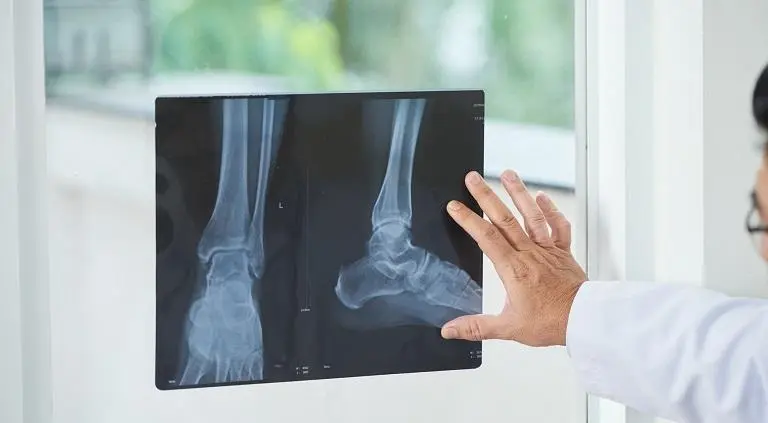
X-rays or other tests may be used to look more closely at bones, joints, or soft tissue.
Discussing the procedure
We explain what surgery is intended to correct and what the procedure involves.
Planning recovery
We review activity limits, footwear or support needs, and the expected follow-up schedule.
This gives you time to understand why surgery is being recommended and what to expect afterward.
What Happens After Foot Surgery?
Recovery depends on the procedure and the part of the foot being treated. Some surgeries allow limited walking soon afterward, while others require more time without full weight on the foot.
You may need to:
Elevate the Foot
Keep the foot elevated during the early stages of recovery to help manage swelling.
Use Recommended Support
Wear a surgical shoe, boot, or use crutches or another support as instructed.
Limit Weight-Bearing Activity
Reduce walking and avoid certain activities for the recommended period.
Keep Dressings Protected
Keep surgical dressings clean and dry according to your aftercare instructions.
Attend Follow-Up Appointments
Return for scheduled visits so your recovery can be monitored.
Complete Rehabilitation
Perform prescribed exercises or participate in rehabilitation when recommended.
Gradually Resume Activities
Wait until you are cleared before returning to sports, exercise, or strenuous activity.
Some swelling and soreness are normal after surgery and should improve with time. Follow your recovery instructions to help the area heal properly.
Why Choose Goldberg Podiatry Center for Foot Surgery?
Surgery is a significant decision, so it is important to understand why it is being recommended and what alternatives may be available.
At Goldberg Podiatry Center, you can expect:
Experienced surgical care
Dr. Karyn L. Goldberg has 26 years of podiatric experience and is board-certified in foot surgery.
Non-surgical options first
We consider conservative treatment before recommending a procedure when appropriate.
A careful evaluation
We look at the condition of the foot, your level of pain, and how the problem affects movement.
Clear explanations
We discuss what the procedure is designed to accomplish and what recovery may involve.
Individual planning
Your surgical plan is based on your condition, health history, and activity needs.
Follow-up throughout recovery
We monitor healing and let you know when it is safe to increase activity.
Take the Next Step if Foot Pain Is Holding You Back
Surgery is not needed for every foot condition, but it may be the right option when pain continues, or a structural problem makes normal movement difficult.
At Goldberg Podiatry Center, we provide foot surgery in Livingston, NJ, following a careful evaluation of your condition and previous treatment. Visit us at 22 Old Short Hills Rd #214, Livingston, NJ 07039, United States, or call (973) 251-2906 to schedule an appointment and discuss your treatment options.
FAQs
How do I know if I need foot surgery?
Surgery may be considered if other treatments have not helped enough. An exam and imaging can show whether surgery is the right next step.
Will I be able to walk after foot surgery?
It depends on the procedure. Some patients may be allowed to walk with a special shoe or boot, while others need to limit weight on the foot for a period of time.
How long does recovery take?
Recovery time varies based on the type of surgery, the area being treated, and how your body heals. We will explain the expected timeline before your procedure.
Will I need physical therapy afterward?
Some procedures may require exercises or rehabilitation to restore strength, flexibility, and movement. This depends on the surgery and your progress.
Can foot problems come back after surgery?
Some conditions can return, or new problems can develop over time. Following footwear, activity, rehabilitation, and follow-up recommendations may help protect the result.