


Bunion treatment in Livingston, NJ
Bunion treatment Near You
A bunion can make certain shoes uncomfortable and may gradually change the way you walk. The bump forms at the base of the big toe as the joint shifts out of position, and irritation can increase when the area is under repeated pressure. At Goldberg Podiatry Center, we provide bunion treatment in Livingston, NJ, with recommendations based on your foot structure, activity level, and the effect the condition has on everyday life.
If you are looking for bunion treatment near you, we offer convenient access to podiatric care. We assess the joint, check how the toe moves, and look at factors such as shoe fit, alignment, and pressure points before recommending next steps.
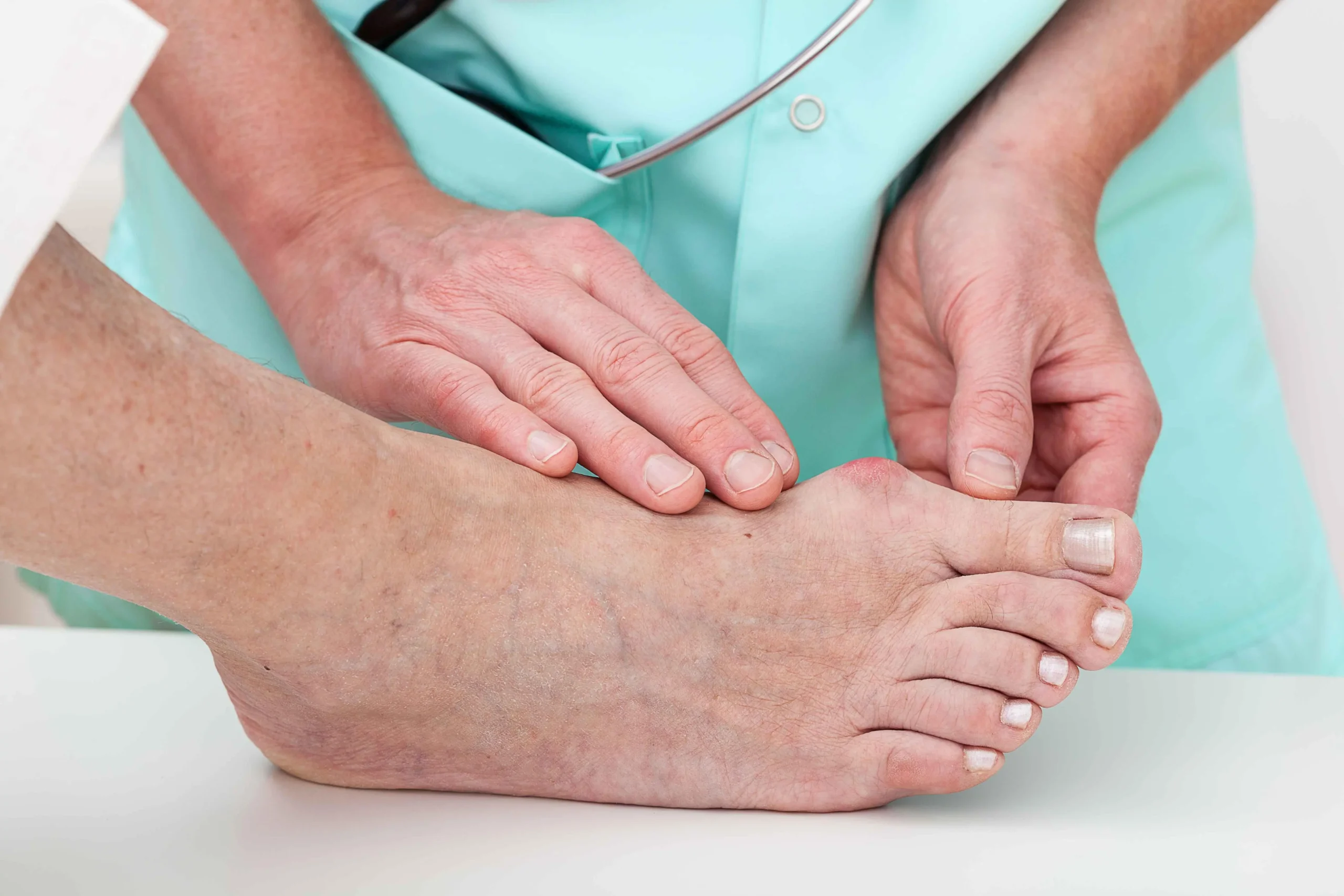
What Are Bunions?
A bunion, or hallux valgus, forms when the big toe shifts toward the smaller toes and the joint at its base starts to stick out along the side of the foot.
For some patients, the bump causes little trouble. For others, it can lead to soreness, stiffness, or difficulty wearing certain shoes. Foot shape, family history, and pressure from tight footwear may all play a role.
If the joint becomes more painful or starts to limit walking, our podiatrist in Livingston, NJ, can check the area and discuss suitable treatment options.
When Should You Have a Bunion Checked?
A visible bump does not always require treatment. However, an evaluation may be helpful when the joint starts interfering with comfort, shoe choice, or normal movement.
Consider seeing a podiatrist if you notice:
Big Toe Soreness
Discomfort around the base of the big toe.
Joint Swelling or Redness
Swelling, redness, or tenderness around the affected joint.
Toe Stiffness
Difficulty bending the big toe comfortably.
Shoe-Fitting Problems
Trouble finding footwear that fits comfortably around the toe.
Toe-Related Calluses
Calluses that develop when the toes rub against each other.
Growing Toe Bump
A noticeable bump that appears to be increasing in size.
Walking Discomfort
Difficulty walking or staying on your feet for longer periods.
Weight-Shifting Changes
Changes in how you distribute weight across your foot while standing or walking.
Regular visits to a podiatrist near you can help monitor changes in a bunion, assess your symptoms, and determine whether treatment or ongoing care may be appropriate.
What Are the Benefits of Bunion Care?
Treatment is usually aimed at making the foot more comfortable and reducing irritation around the joint. Depending on your needs, it may help:
Relieve Pressure
Helps reduce pressure around the prominent area of the foot.
Reduce Shoe Friction
Minimizes rubbing between the affected area and your footwear.
Improve Daily Comfort
Supports greater comfort while standing and w
Limit Joint Irritation
Helps reduce irritation around the big toe joint.
Support Foot Function
Helps maintain more comfortable foot movement and function.
We provide bunion treatment near you with care options selected based on your symptoms, foot condition, and how the bunion affects your daily activities.
How Are Bunions Managed?
The best approach depends on the severity of the deformity, the level of soreness, and whether the joint is limiting your routine. Many cases can first be managed without surgery.
Options may include:
Wider footwear
Footwear with extra room around the toes can take pressure off the bunion.
Cushioning
Soft pads may help protect the bump from rubbing inside the shoe.
Surgery
If other treatments do not provide enough relief, surgical correction may be considered.
Activity changes
Adjusting activities that repeatedly irritate the joint may help calm flare-ups.
Medication
Anti-inflammatory or pain-relieving medicine may be considered when appropriate.
Having a bunion does not necessarily mean surgery is required. We consider your symptoms, how the condition affects your daily activities, and your response to non-surgical care before discussing more involved treatment options.
What to Expect During Your Visit
We begin by talking about when you first noticed the bunion, what makes it feel worse, and whether it affects work, exercise, or footwear.
Your appointment may include:
A foot examination
We look at the position of the toe, the size of the bump, and any irritated skin.
A movement check
We assess how freely the big toe joint moves.
A review of foot mechanics
We may look at how you stand or walk to see whether alignment is contributing to the problem.
Imaging when needed
X-rays can help show the position of the bones and the condition of the joint.
A discussion of options
We explain which conservative measures may be worth trying first.
A follow-up plan
If symptoms continue, we can reassess the joint and discuss other possibilities.
Ways to Reduce Bunion Irritation
Small changes can sometimes make the foot easier to manage from day to day. Shoes that squeeze the toes or press directly against the bump often increase soreness.
You may be advised to:
Choose Wider Footwear
Wear shoes that give your toes enough space to move comfortably.
Avoid Pressure
Skip footwear that rubs against or presses on the bunion.
Use Protective Padding
Add padding to help protect the area if it becomes irritated.
Use Recommended Support
Wear inserts or orthotics when recommended by our team.
Limit Painful Activities
Reduce activities that increase soreness around the joint.
Schedule a Follow-Up
Return for an evaluation if the joint becomes more painful or stiff.
These measures do not correct the bunion itself, but they may help reduce irritation, improve daily comfort, and make walking and footwear more manageable.
Why Choose Goldberg Podiatry Center for Bunion Care?
We look at how the bunion affects your movement and quality of life rather than focusing only on the appearance of the joint. When you visit our office, you can expect:
26 years of experience
Dr. Karyn L. Goldberg has extensive experience evaluating and treating foot and ankle problems.
Care that fits your needs
We consider your symptoms, how the joint moves, the shoes you wear, and your daily activities.
Conservative options when suitable
Non-surgical measures may be tried before more invasive treatment.
Clear explanations
We make sure you understand what is happening in the joint and why a certain option is being recommended.
Care that fits your routine
We consider work, exercise, and daily demands when planning treatment.
Ongoing monitoring
We can reassess the bunion over time and adjust your plan if the condition changes.
Find a Better Way to Manage Bunion Pain
A bunion may stay manageable for a long time, but increasing soreness, limited joint movement, or repeated shoe irritation should not be ignored.
At Goldberg Podiatry Center, we provide bunion treatment in Livingston, NJ, with a focus on comfort, mobility, and individualized care. Visit us at 22 Old Short Hills Rd #214, Livingston, NJ 07039, United States, or call (973) 251-2906 to schedule an appointment and discuss your treatment options.
FAQs
Will a bunion go away on its own?
No. A bunion usually does not go away by itself, but proper shoes and other treatments may help reduce pain and pressure.
Why does my bunion hurt more on some days?
Pain can change depending on your shoes, activity level, and how much pressure is placed on the joint.
What shoes are best for bunions?
Choose shoes with a wide toe box and enough room around the front of the foot. Avoid tight or narrow styles.
Can a bunion affect the other toes?
Yes. The big toe may push against the smaller toes, causing rubbing, calluses, or changes in toe position.
When should bunion surgery be considered?
Surgery may be discussed if pain continues despite other treatments or if the bunion makes walking or wearing shoes difficult.