


Regenerative Medicine in Livingston, NJ
Regenerative Medicine Near You
Foot and ankle pain can make walking, exercising, and completing everyday tasks more difficult. When discomfort comes from an irritated tendon, joint, soft tissue, or loss of cushioning under the foot, a non-surgical treatment may be worth discussing. At Goldberg Podiatry Center, we provide regenerative medicine in Livingston, NJ, for selected foot and ankle conditions, with treatment recommendations based on your diagnosis and individual needs.
If you are searching for regenerative medicine near you,we offer personalized care in a convenient setting. We take time to understand your symptoms, activity level, previous treatment, and goals before deciding whether a regenerative option may be appropriate. Our focus is on helping you make an informed choice without relying on a one-size-fits-all plan.
What Is Regenerative Medicine?
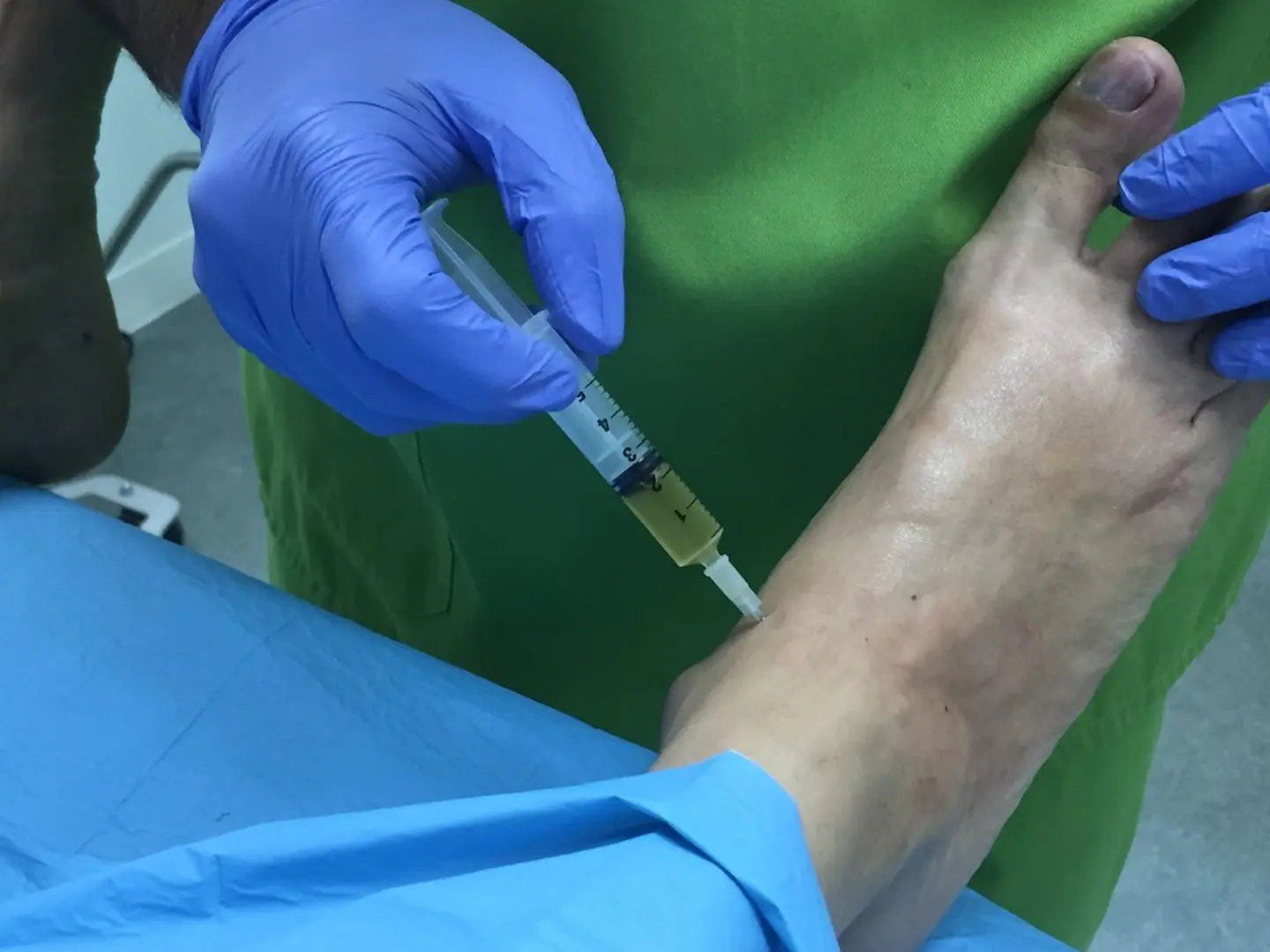
Regenerative medicine uses treatments designed to help support the body’s own healing process in areas affected by injury, irritation, or tissue wear. In podiatric care, it may be considered for certain conditions involving tendons, joints, soft tissue, or the natural cushioning beneath the foot.
At Goldberg Podiatry Center, regenerative treatment options include products containing biologic components such as growth factors, collagen, proteins, and other tissue-supporting materials. These treatments are performed in the office and may be used as part of a broader non-surgical care plan.
If you have ongoing foot or ankle pain, an examination with our podiatrist in Livingston, NJ, can help identify the cause and determine whether regenerative treatment is suitable for your condition.
Who Might Benefit From Regenerative Medicine?
Regenerative care may be considered when symptoms continue despite initial conservative treatment or when a chronic condition is affecting comfort and mobility. It is not appropriate for every patient or diagnosis, so an evaluation comes first.
Podiatric care may be appropriate if you are experiencing:
Persistent Heel Pain
Ongoing discomfort related to irritation of the plantar fascia.
Achilles or Tendon Pain
Continued discomfort affecting the Achilles or another tendon.
Arthritis-Related Joint Pain
Joint discomfort associated with arthritis in the foot or ankle.
Morton’s Neuroma Symptoms
Pain, tingling, or discomfort associated with Morton’s neuroma.
Sports-Related Foot Pain
Foot or ankle discomfort following a sports-related injury.
Reduced Foot Cushioning
Pain caused by reduced cushioning beneath the heel or forefoot.
Persistent Soft-Tissue Symptoms
Soft-tissue discomfort that has not improved as expected.
What Are the Potential Benefits?
The goal of regenerative treatment is to support tissue repair while using a minimally invasive approach. Depending on your condition and treatment plan, potential benefits may include:
Supporting Natural Healing
Encourages the body’s natural healing process in the treated area.
Non-Surgical Care
Addresses certain soft-tissue or joint concerns without surgery.
Avoiding Lengthy Recovery
May help avoid a prolonged recovery period associated with surgery in appropriate cases.
In-Office Treatment
Provides a convenient treatment option within the office.
Improving Daily Comfort
May help improve comfort during everyday movement and activities.
Supporting Overall Function
Supports foot and ankle function as part of a broader treatment plan.
At Goldberg Podiatry Center, we offer regenerative medicine near you when findings from your examination suggest that this approach may be appropriate.
What Regenerative Options Are Available?
At Goldberg Podiatry Center, regenerative care is selected according to the tissue involved and the condition being treated. Available options include:
DPMx
A donated umbilical cord tissue product containing growth factors, collagen, proteins, and other cellular components. It may be considered for selected conditions such as plantar fasciitis, tendon concerns, arthritic joints, sports injuries, capsulitis, fractures, and Morton’s neuroma.
Liposana
This donated human adipose tissue product may be used for certain cases of fat pad atrophy, where the natural cushioning under the foot has thinned. It helps provide structural support to areas that need added padding.
Each regenerative option serves a different purpose. We determine which approach, if any, is appropriate based on your symptoms, the tissue involved, and your overall treatment needs.
What to Expect During Your Visit
Your appointment begins with a careful review of the problem rather than going directly to a procedure. We want to understand why the area is painful and whether regenerative care makes sense for your situation.
Your visit may include:
Discussing your symptoms
We ask when the problem started, what makes it worse, and how it affects your daily activities.
Reviewing your history
Previous injuries, treatments, health conditions, medications, and activity level may influence your care.
Examining the foot or ankle
We assess the painful area, movement, tenderness, alignment, and other relevant findings.
Confirming the condition
Additional testing or imaging may be considered when needed to better understand the source of your symptoms.
Reviewing your options
We explain whether regenerative treatment may be appropriate and discuss other available approaches.
Planning your treatment
If you decide to proceed, we explain the recommended therapy and what you can expect afterward.
What to Expect After Treatment
Recovery depends on the treatment performed and the condition being addressed. Some patients may notice temporary soreness or tenderness around the treated area. We provide aftercare guidance based on the procedure and your normal level of activity.
Following treatment, we may recommend that you:
Follow Activity Restrictions
Follow temporary activity restrictions when advised.
Wear Supportive Footwear
Wear supportive footwear or another recommended device.
Reduce Stress on the Area
Avoid placing unnecessary stress on the treated area.
Monitor for Changes
Watch for unexpected swelling, redness, or increasing pain.
Continue Your Care Plan
Continue other parts of your care plan as directed.
Attend Follow-Up Visits
Return for follow-up so we can review your progress.
Regular visits to a podiatrist near you can help our team monitor your progress, address changes in your condition, and adjust your care plan when needed.
Why Choose Goldberg Podiatry Center for Regenerative Care?
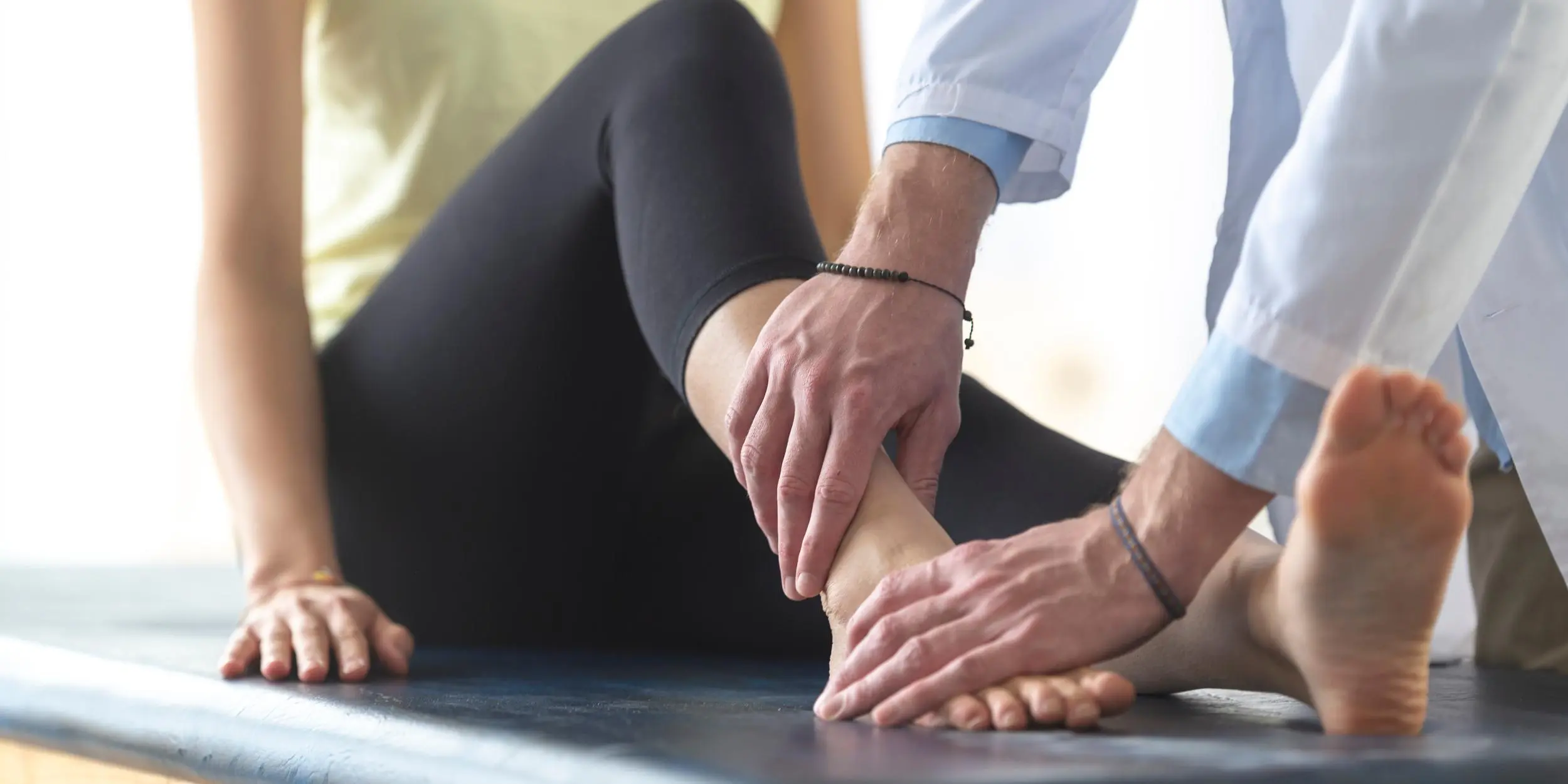
We focus on careful evaluation and individualized treatment recommendations so your care is based on your specific condition, symptoms, and goals.
When you choose our office, you can expect:
Experienced podiatric care
Dr. Karyn L. Goldberg brings 26 years of experience to treating foot and ankle concerns.
Personalized treatment planning
We consider your diagnosis, symptoms, lifestyle, previous care, and goals before recommending treatment.
Non-surgical options
Regenerative care may offer another approach for selected patients who want to explore conservative treatment.
Convenient in-office care
Appropriate procedures can be completed at our Livingston office.
Clear treatment information
We explain how the treatment works, where it may be helpful, and what you can realistically expect.
Ongoing follow-up
We review your progress over time and make changes to your treatment plan when needed.
Explore Regenerative Treatment for Foot and Ankle Pain
Persistent foot or ankle discomfort does not always mean surgery is the next step. A detailed evaluation can help identify the source of your symptoms and determine which treatment options may be appropriate.
At Goldberg Podiatry Center, we offer regenerative medicine in Livingston, NJ, for selected foot and ankle conditions using a personalized approach to care. Visit us at 22 Old Short Hills Rd #214, Livingston, NJ 07039, United States, or call (973) 251-2906 to schedule an evaluation and discuss whether this treatment may be suitable for you.
FAQs
How do I know whether regenerative treatment is right for me?
The best way to find out is through an examination. Your diagnosis, health history, previous treatment, symptoms, and the tissue involved all help determine whether this approach may be suitable.
Is regenerative medicine the same as a cortisone injection?
No. The treatments use different substances and have different purposes. We can explain how the available options differ and which approach may make sense for your condition.
When might I start noticing improvement?
The timing is different for every patient. Some may notice changes relatively early, while others improve more gradually as the treated area continues to heal and respond to treatment.
Are regenerative treatments covered by insurance?
These procedures are currently not covered by insurance plans at Goldberg Podiatry Center. Our team can review pricing and available payment options with you before treatment is scheduled.
Can regenerative treatment help me avoid surgery?
It may provide a non-surgical option for some foot and ankle conditions, but it cannot guarantee that surgery will never be necessary. The right approach depends on your diagnosis, the severity of the problem, and how you respond to treatment.