


Wart Treatment in Livingston, NJ
Wart Treatment Near You
A small rough spot on the bottom of the foot may seem harmless at first, but it can become uncomfortable when it sits in an area that takes pressure with every step. Plantar warts can also be mistaken for corns or calluses. At Goldberg Podiatry Center, we provide wart treatment in Livingston, NJ, after examining the area and confirming what is causing the skin change.
Before recommending wart treatment, our team considers the appearance, location, size, and duration of the growth, along with any discomfort or changes you have noticed. If you are considering wart treatment near you, an assessment can help determine the appropriate approach for your foot.
What Are Plantar Warts?
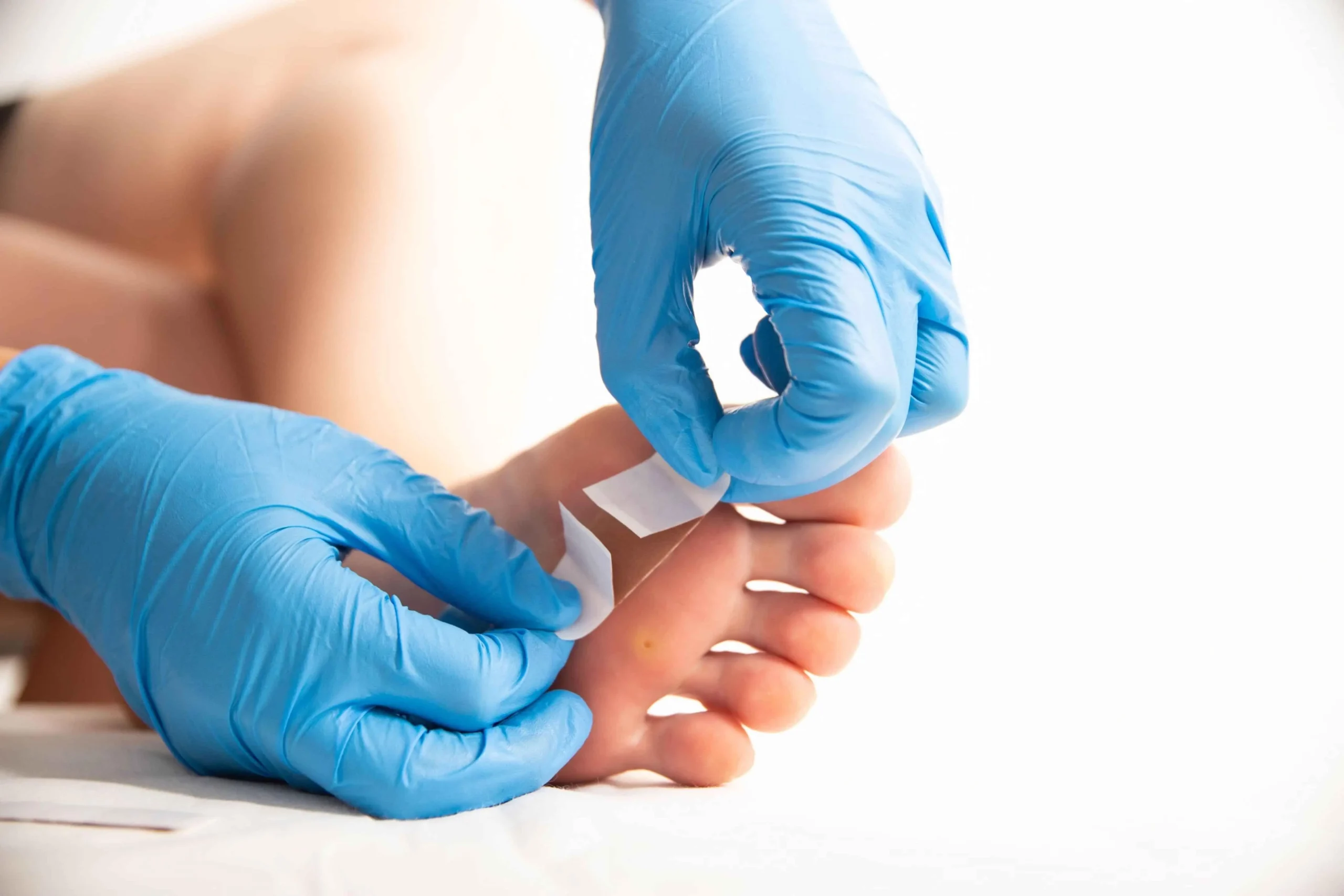
Plantar warts are skin growths caused by certain strains of the human papillomavirus (HPV). They usually develop on the soles of the feet, where pressure from standing and walking may push the growth inward beneath a layer of thickened skin.
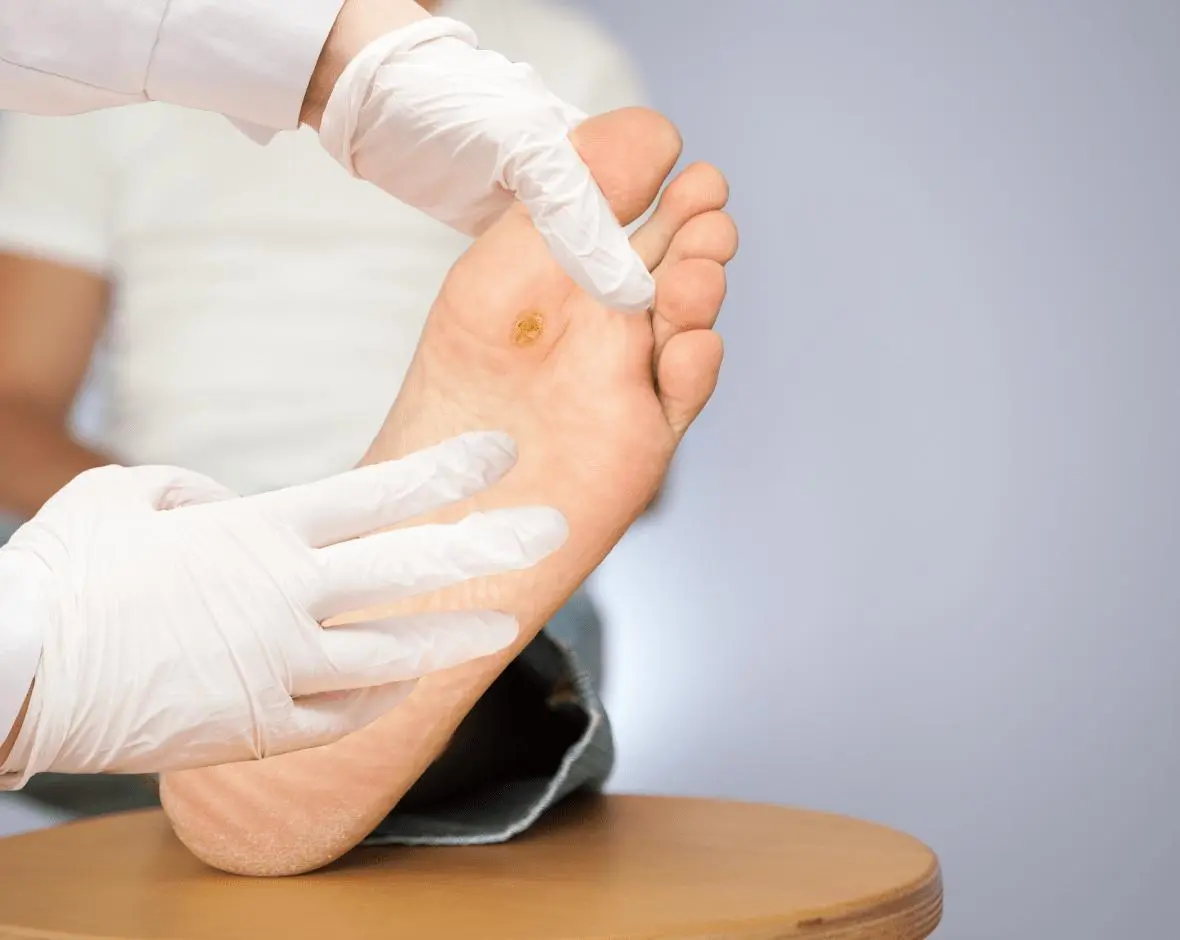
A wart may appear rough or grainy and can sometimes have tiny dark dots within it. Because corns and calluses may look similar, it is not always easy to tell them apart at home.
If you are unsure what has developed on your foot, our podiatrist in Livingston, NJ, can examine the area and confirm whether it is a plantar wart or another skin condition.
When Should You Have a Wart Checked?
Some plantar warts do not pain, while others become tender because of where they develop. A wart under the heel or ball of the foot may become more noticeable when you stand or walk.
Consider seeing a podiatrist if you notice:
Rough Skin Growth
A rough or grainy growth developing on the sole of your foot.
Standing or Walking Tenderness
Discomfort that occurs when standing or walking.
Recurring Callus-Like Spot
A thickened area that resembles a callus but continues to return.
Dark Dots in the Skin
Tiny dark dots appearing within an area of thickened skin.
Multiple Nearby Growths
Several small growths developing close together on the foot.
If you have diabetes, poor circulation, or reduced sensation in your feet, consider seeing a podiatrist near you before treating an unfamiliar or suspicious skin growth on your own.
What Are the Benefits of Professional Wart Treatment?
Plantar warts can be persistent, particularly when they develop on weight-bearing areas that experience repeated pressure. An evaluation can help distinguish a wart from similar-looking skin conditions and guide appropriate treatment.
Professional treatment may help:
Ease Weight-Bearing Discomfort
Help reduce tenderness in areas that experience pressure while standing or walking.
Remove Excess Skin
Carefully reduce thickened skin covering the affected area when appropriate.
Address Persistent Warts
Provide treatment options for growths that are difficult to clear or keep returning.
Reduce Daily Irritation
Help limit discomfort caused by walking or contact with footwear.
Protect Healthy Skin
Reduce the risk of injury to surrounding skin from unsuitable home treatments.
Support Ongoing Care
Provide guidance on protecting the treated area between appointments.
We provide wart treatment near you with an approach based on where the lesion is located, how long it has been present, and whether it is causing pain.
How Are Plantar Warts Treated?
The right method depends on the wart itself. A small growth that recently appeared may need a different approach than several warts that have been present for months.
Treatment may include:
Removing thickened skin
Excess skin over the wart may be carefully reduced so the area can be examined and treated more effectively.
Topical medication
Certain medications can be placed directly on the growth to gradually break down affected tissue.
In-office treatment
Some warts may require procedures performed during an office visit.
Repeat treatment
Plantar warts can take time to clear, so more than one appointment may be necessary.
Pressure relief
Padding or footwear changes may be suggested when the wart sits in an area that becomes sore with walking.
We choose an option after looking at the lesion rather than assuming every wart needs the same treatment.
What to Expect During Your Visit
We begin by looking closely at the affected skin. We may ask when you first noticed the growth, whether it hurts, and if you have already tried an over-the-counter product.
Your appointment may include:
Checking the lesion
We look at its surface, size, location, and surrounding skin.
Confirming the cause
The appearance helps us distinguish a wart from a corn, callus, or another type of growth.
Reducing thick skin if needed
Removing some surface buildup can make the area easier to assess.
Reviewing your options
We explain which method may work best for the type of wart you have.
Treating the area
If appropriate, treatment may begin during the same visit.
What Can You Do Between Visits?
Plantar warts can spread through direct contact, so a few simple habits may help protect the affected area and nearby skin.
You may be advised to:
Keep the Area Clean and Dry
Maintain clean, dry skin around the affected area to support proper care.
Avoid Picking or Cutting
Do not pick, scratch, or cut the wart, as this may irritate the surrounding skin.
Wash Your Hands After Contact
Clean your hands thoroughly after touching the affected area.
Do Not Share Personal Items
Avoid sharing socks, shoes, towels, or other items that come into contact with your feet.
Follow Treatment Instructions
Use any recommended treatments and follow the care instructions provided during your appointment.
Monitor for Changes
Return for evaluation if the growth becomes larger, more painful, or changes in appearance.
Do not use sharp tools to remove a wart yourself. Cutting into the skin can cause bleeding, irritation, or infection.
Why Choose Goldberg Podiatry Center for Wart Treatment?
A spot on the foot is not always easy to identify by appearance alone. We first determine what the growth is before recommending how to treat it.
At our office, you can expect:
Experienced foot care
Dr. Karyn L. Goldberg brings 26 years of podiatric experience to the evaluation of foot conditions.
Care based on the lesion
We consider its location, size, duration, and how much it bothers you.
In-office options
Appropriate wart treatments can be performed conveniently at the practice.
Attention to surrounding skin
We work carefully around healthy tissue when treating the affected area.
Simple instructions
You will know how to look after the skin between appointments.
Follow-up when needed
If the wart does not clear after the first treatment, we can reassess it and decide what to do next.
Get a Persistent Foot Wart Checked
A rough spot that keeps returning, becomes painful, or changes over time is worth having examined. Confirming the cause is the first step toward choosing the right treatment.
At Goldberg Podiatry Center, we provide wart treatment in Livingston, NJ, for painful, persistent, or recurring plantar growths. Visit us at 22 Old Short Hills Rd #214, Livingston, NJ 07039, United States, or call (973) 251-2906 to schedule an appointment and discuss your treatment options.
FAQs
Can plantar warts spread to other parts of my foot?
Yes. The virus can spread to nearby skin, particularly if the wart is picked, scratched, or irritated. Keeping the area covered when advised and washing your hands after touching it can help.
Should I use an over-the-counter wart remover?
Some products may work for certain warts, but they are not right for everyone. If you have diabetes, poor circulation, reduced sensation, or are unsure whether the growth is actually a wart, have it examined before using a remover.
Why does my plantar wart hurt when I walk?
Warts on weight-bearing areas can be pushed inward by pressure from standing and walking. The surrounding thickened skin may also add to the tenderness.
Can a plantar wart come back after it is removed?
Yes. A wart can return because treatment removes the affected tissue but does not guarantee that the virus will never cause another growth.
How can I lower my chance of getting another plantar wart?
Wear sandals or protective footwear in shared showers, locker rooms, and pool areas. Keep your feet clean and dry, avoid sharing footwear, and do not pick at existing warts.