


Heel Pain Treatment in Livingston, NJ
Heel Pain Treatment Near You
Heel discomfort can affect the way you walk, stand, work, and exercise. For some patients, the pain is sharper with the first few steps in the morning. For others, it builds after long periods on their feet or during activity. At Goldberg Podiatry Center, we provide heel pain treatment in Livingston, NJ, by first finding the cause and then recommending care that fits your symptoms and daily routine.
If you are looking for heel pain treatment near you, we evaluate the cause and explain your options. We look at when the pain started, where it is located, what makes it worse, and whether foot mechanics or activity may be adding stress to the heel.
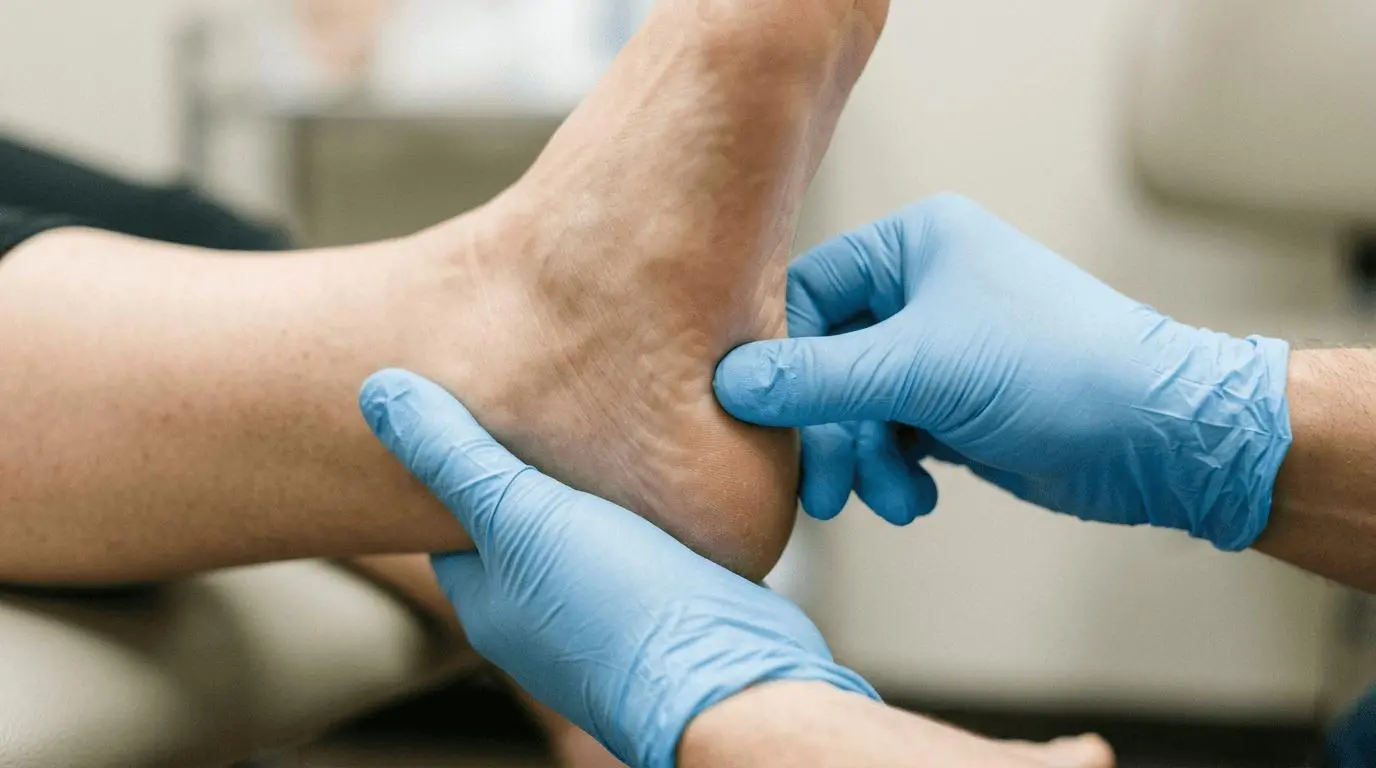
What Causes Heel Pain?
Heel pain can come from different parts of the foot, including the plantar fascia, Achilles tendon, heel bone, or nearby soft tissue.
Plantar fasciitis is a common cause and usually affects the bottom of the heel. Achilles tendon problems often cause pain at the back. Other causes may include stress injuries, bursitis, nerve irritation, or repeated pressure from activity or footwear.
Since several problems can cause similar symptoms, our podiatrist in Livingston, NJ, can examine your heel and help identify the cause.
When Should Heel Pain Be Checked?
Mild soreness after a long day may settle with rest, but pain that keeps returning deserves attention. It is especially important to have the heel checked if the problem starts changing the way you walk or keeps you from normal activities.
An evaluation may be helpful if you notice:
Morning Heel Pain
Discomfort with the first few steps after getting out of bed.
Prolonged Standing Discomfort
Soreness that develops after spending extended periods on your feet.
Heel Tenderness
Tenderness beneath or behind the heel.
Heel or Ankle Swelling
Noticeable swelling around the heel or ankle.
Exercise-Related Pain
Pain that returns during exercise or physical activity.
Walking Difficulty
Difficulty walking normally without developing a limp.
Sudden Pain Increase
A noticeable increase in pain following physical activity.
Severe pain after an injury, inability to bear weight, or sudden swelling should be evaluated promptly. Regular visits to a podiatrist near you can also help assess recurring heel pain and determine whether further evaluation or treatment is needed.
What Are the Benefits of Treating Heel Pain Early?
Heel pain can affect the way you walk and move. If it continues, you may start putting more pressure on other parts of the foot or leg. Getting the problem checked early can make it easier to manage and may help prevent it from becoming more limiting.
Treatment may help:
Relieve Localized Stress
Reduce strain on areas of the foot affected by pain or discomfort.
Improve Daily Mobility
Make standing and walking more comfortable during everyday activities.
Support Foot Movement
Improve foot mechanics and movement where appropriate.
Reduce Footwear Pressure
Minimize pressure caused by shoes contacting sensitive areas.
Address Recurring Pain
Identify and manage factors that may contribute to symptoms returning.
Support a Return to Activity
Help you gradually resume your usual daily activities.
At Goldberg Podiatry Center, we provide heel pain treatment near you based on what is causing your symptoms and how they affect your daily routine.
How Is Heel Pain Diagnosed?
Your visit starts with a conversation about your symptoms. We may ask when the pain began, whether it is worse in the morning or after activity, and what kind of shoes you normally wear.
The exam may include:
Checking the painful area
We look for tenderness, swelling, and visible changes.
Testing movement
We check how the foot and ankle move.
Watching how you walk
This may help us see whether foot mechanics are involved.
Reviewing your activity
Work, exercise, or recent training changes may provide useful clues.
Using imaging when needed
X-rays or other imaging may be recommended if a bone injury or another condition is suspected.
Explaining the findings
We review what may be causing the pain and which options may help.
How Is Heel Pain Treated?
Treatment depends on the cause, how long the problem has been present, and how much it affects your routine. Many cases can be managed without surgery.
Options may include:
Activity changes
Reducing repeated stress can give the heel time to recover.
Supportive footwear
Shoes with better cushioning and support may ease pressure.
Stretching
Calf or plantar fascia stretches may help when tightness is contributing to the problem.
Orthotics
Inserts may improve support and reduce pressure in certain areas.
Medication
Pain-relieving or anti-inflammatory medicine may be considered when appropriate.
Shockwave therapy
This may be used for selected chronic soft-tissue problems.
Regenerative medicine
Certain persistent conditions may be evaluated for regenerative treatment.
Surgery
This is generally reserved for selected cases that do not improve with non-surgical care.
The right approach depends on what is causing the pain and what treatments you have already tried.
What Can You Do at Home?
A few simple steps may help ease heel discomfort and avoid putting extra stress on the area during everyday activities and exercise.
You may be advised to:
Choose Supportive Footwear
Wear shoes that provide adequate support, especially when walking or standing on hard floors.
Modify Painful Activities
Reduce activities that increase your symptoms or place added stress on the foot.
Apply Ice When Recommended
Use ice for short periods when advised to help manage discomfort.
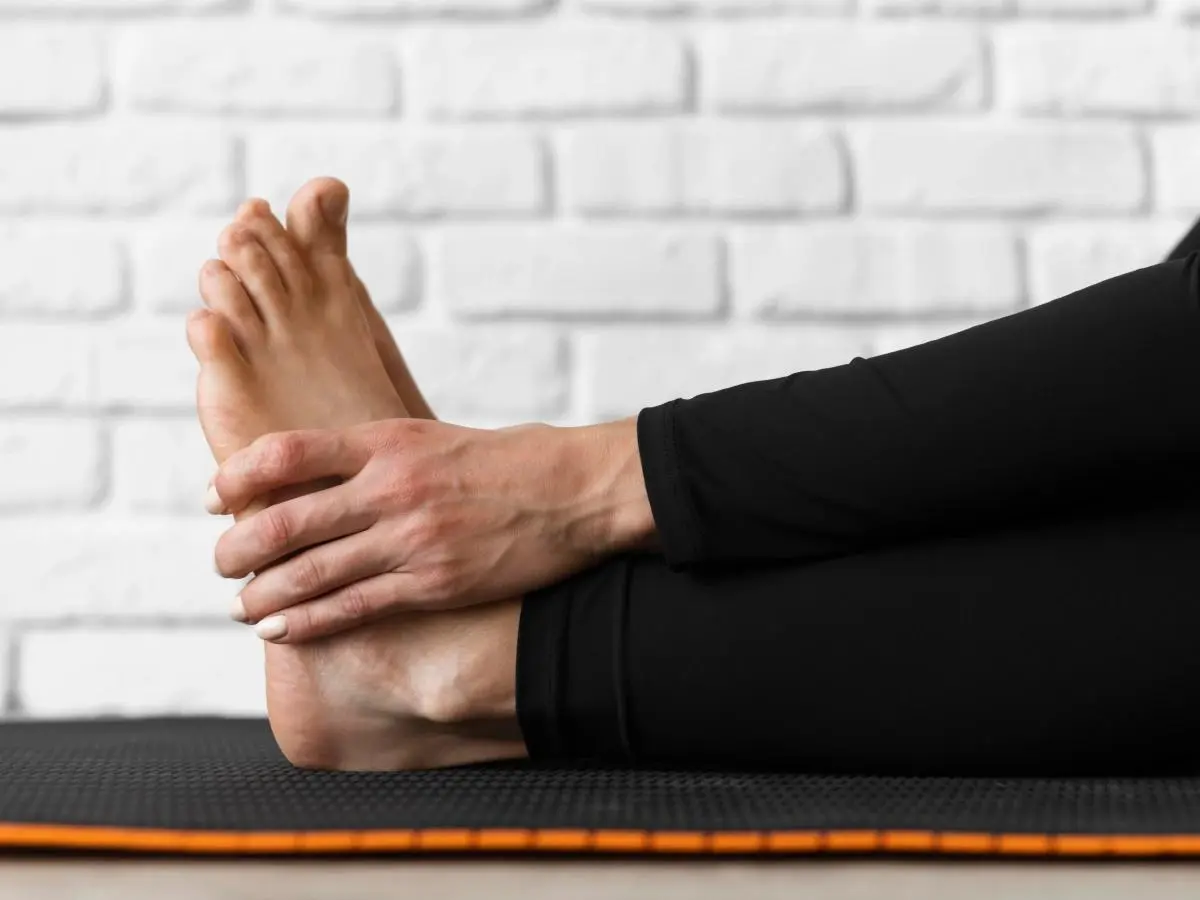
Stretch Regularly
Perform recommended stretches for your calf and the bottom of your foot.
Replace Worn Footwear
Replace shoes that have lost their cushioning, structure, or support.
Resume Exercise Gradually
Increase your activity level progressively rather than returning to exercise too quickly.
Why Choose Goldberg Podiatry Center for Heel Pain Care?
Heel pain can have more than one cause, so finding the source matters before treatment begins.
26 years of experience
Dr. Karyn L. Goldberg has extensive experience treating foot and ankle conditions.
A focused exam
We look at where the pain is coming from and what may be placing stress on the heel.
Non-surgical options first
Many heel problems can be managed without an operation.
Treatment matched to the cause
Recommendations may include footwear changes, orthotics, stretching, shockwave therapy, or other options when appropriate.
Practical guidance
We explain what you can do between visits to avoid irritating the area.
Follow-up when needed
If symptoms continue, we can reassess the heel and adjust the plan.
Take the Next Step Toward Heel Pain Relief
Heel pain can make simple activities feel harder than they should. If the problem keeps returning or has started to limit walking, exercise, or work, it is worth having the area checked.
At Goldberg Podiatry Center, we provide heel pain treatment in Livingston, NJ, with care focused on identifying the cause and supporting comfortable movement. Visit us at 22 Old Short Hills Rd #214, Livingston, NJ 07039, United States, or call (973) 251-2906 to schedule an appointment and discuss your treatment options.
FAQs
Why is my heel pain worse in the morning?
With plantar fasciitis, the tissue under the foot can tighten while you rest. This can make the first few steps in the morning feel more painful.
Can heel pain go away on its own?
Some mild cases improve with rest, better footwear, and activity changes. If the pain keeps returning or lasts for several weeks, have it checked.
Should I stop exercising if my heel hurts?
You may need to reduce activities that bring on pain, especially running or jumping. Lower-impact exercise may be possible depending on the condition.
Can worn-out shoes cause heel pain?
Shoes that have lost cushioning or support can increase stress on the heel. Replacing them may help, but ongoing pain should still be evaluated.
How long does heel pain take to improve?
Recovery depends on the cause and how long the problem has been present. Some cases improve sooner, while chronic problems may need more time and follow-up care.