


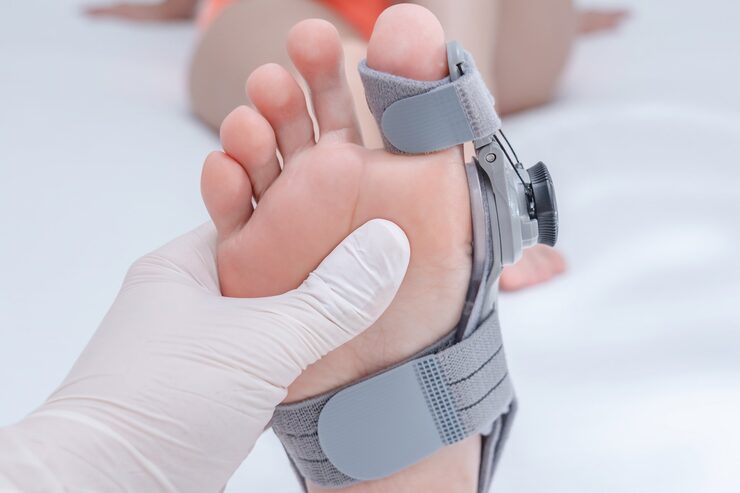
Bunions happen when the big toe moves out of its normal position. This can cause a bump on the inside of the foot. Bunions may cause pain, pressure, redness, or trouble finding comfortable shoes. Bunions in Livingston can be mild or more developed. Not every bunion needs surgery. Treatment depends on your symptoms, how much the bunion affects your daily activities, and whether non-surgical treatment helps. A podiatry assessment can help find the cause of your symptoms and explain your treatment options.
Knowing when to manage a bunion with simple care and when to consider surgery can help support timely treatment.
Do Bunions Go Away on Their Own?
Usually, a bunion does not disappear without treatment. The change in the toe’s position can persist or gradually become more noticeable over time.
However, symptoms may sometimes be managed without surgery. Treatment may focus on reducing pressure and making walking or wearing shoes more comfortable.
Non-surgical treatment may include:
- Wearing shoes with enough space for your toes
- Using pads to protect the bunion from rubbing
- Using supportive shoe inserts or orthotics
- Avoiding tight shoes that squeeze your toes
- Using simple pain relief when suitable
What Causes Bunions to Form?
Bunions can develop for several reasons. Foot shape and family history may play a role, while footwear that puts pressure on the toes can worsen symptoms.
Other factors may include:
- The natural shape of the foot
- Differences in how the foot moves
- Certain foot or joint conditions
- Previous foot injuries
- Repeated pressure on the big toe
The exact cause can vary, and more than one factor may be involved.
When Is Bunion Surgery Considered?
Surgery is generally considered when a bunion causes ongoing pain or makes normal activities difficult, and non-surgical treatment has not provided enough relief.
A podiatrist at a podiatry office near you may discuss surgery when:
- Pain continues despite other treatments.
- Walking becomes difficult
- Regular shoes are hard to wear
- The bunion limits daily activities.
- The toe position is becoming more difficult to manage.
The decision depends on symptoms and the condition of the foot, rather than the appearance of the bunion alone.
How to Stop a Bunion From Getting Worse
How to stop a bunion from getting worse depends on the factors affecting the foot. While non-surgical care cannot always stop a bunion from changing, reducing pressure on the affected area may help manage symptoms.
Helpful steps may include:
- Choose shoes with plenty of room for your toes.
- Avoid tight or narrow shoes.
- Use pads if your bunion rubs against your shoes.
- Use orthotics if your doctor recommends them.
- Take good care of your feet.
- See a doctor if pain or foot changes continue.
Getting your foot checked early can help you learn how to manage the problem.
How Does a Podiatrist Assess a Bunion?
A podiatry office in Livingston can assess the foot, toe position, pain, walking pattern, and footwear concerns. The foot may be examined while standing or walking, and an X-ray may be recommended when more information is needed.
The assessment can help check:
- The position of your big toe
- Whether the joint is affected
- How much pain you have and how well you can move your toe
- Whether other foot problems are adding to your symptoms
- Whether non-surgical treatment may help
This information helps your doctor plan the right treatment for your needs.
What Is Bunion Surgery Recovery Like?
Bunion surgery recovery time can vary from person to person. It depends on the type of surgery, the foot being treated, and how well it heals. Some surgeries may allow you to put weight on your foot sooner than others.
Recovery may include:
- Keeping weight off your foot for some time
- Wearing a special shoe or support
- Managing swelling
- Slowly returning to your normal activities.
- Going to follow-up appointments
- Waiting for your foot to heal before wearing regular shoes
Your doctor can explain what to expect before surgery. The recovery time depends on the type of bunion surgery you have.
Get the Right Care for Bunions!
Persistent bunion pain or difficulty walking should not be ignored. A proper foot assessment can help determine whether simple care, supportive treatment, or surgery may be appropriate.
Goldberg Podiatry Center can assess bunion symptoms and discuss suitable treatment options based on individual foot needs. Book an appointment today to discuss bunion pain and find the right next step for your foot care.
FAQs
Can bunions be treated without surgery?
Yes. Some bunions can be managed without surgery. Wearing comfortable shoes, using foot pads or inserts, and changing some activities may help ease pain and pressure. The right treatment depends on the bunion and its symptoms.
What causes bunions to form?
Bunions can develop due to foot shape, family history, or the way the foot moves. Tight shoes may also put extra pressure on the big toe, worsening symptoms. More than one factor may contribute.
Do orthotics help with bunions?
Orthotics may help support the foot and reduce pressure on the big toe joint. They do not usually remove the bunion, but they may help reduce discomfort in some cases.
How painful is bunion surgery?
Some pain, swelling, and tenderness are common after bunion surgery. The level of discomfort can vary based on the type of surgery and healing process. Pain relief and aftercare instructions can help manage these symptoms.
How long does it take to walk normally after bunion surgery?
Recovery time varies depending on the type of surgery and how the foot heals. Some people can put weight on the foot sooner, while normal walking and wearing regular shoes may take longer. The podiatrist can explain the expected recovery timeline.