


Toenail Fungus Treatment in Livingston, NJ
Toenail Fungus Treatment Near You
A toenail that becomes thick, brittle, or discolored may be more than a cosmetic concern. Fungal infections can slowly change the nail’s texture and shape and may eventually make shoes uncomfortable. At Goldberg Podiatry Center, we provide toenail fungus treatment in Livingston, NJ, based on the condition of the nail, your symptoms, and your overall foot health.
If you are considering toenail fungus treatment near you, we will assess the affected nail for changes such as discolouration, thickening, or crumbling. We first determine what may be causing these changes before discussing the treatment options that may be appropriate.
What Is Toenail Fungus?
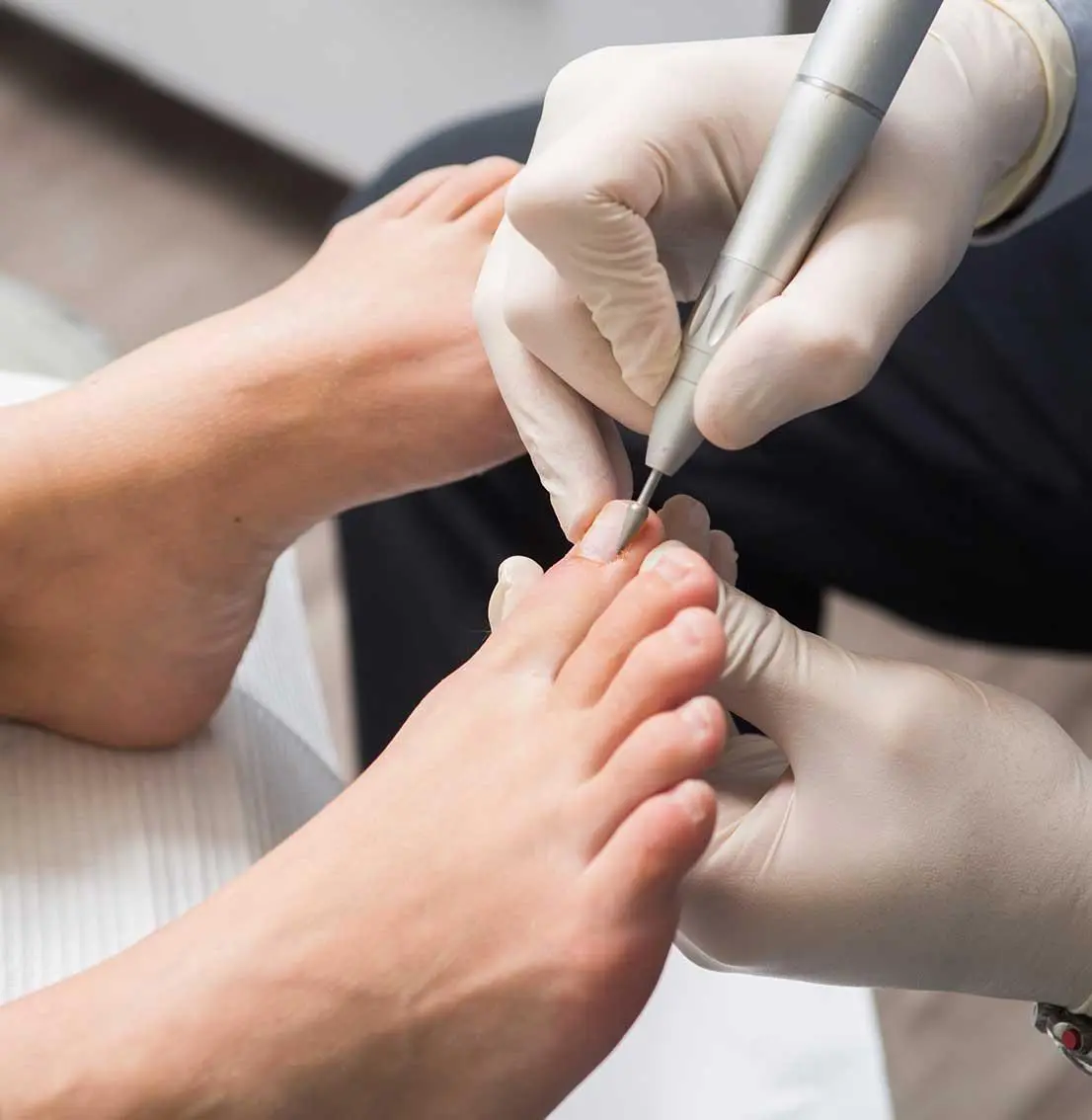
Toenail fungus, also called onychomycosis, is an infection caused by fungi that affect the nail or the skin underneath it. An infected nail may become yellow, white, or brown. It can also grow thicker, become brittle, change shape, or begin to separate from the nail bed.
Fungal infections are more likely to develop when the feet remain warm and damp for extended periods. Shared showers, locker rooms, pool areas, and moisture inside footwear can increase exposure, while an injured or damaged nail may be more susceptible to infection.
Older adults and patients with diabetes or weakened immune systems may have a higher risk of developing fungal nail infections. If a toenail keeps changing in color, thickness, or texture, our podiatrist in Livingston, NJ, can examine it and determine what may be causing the problem.
When Should a Fungal Nail Be Checked?
Fungal infections often develop slowly. At first, you may notice only a small change in color or texture. Over time, the nail can become thicker or harder to trim.
See a podiatrist if you notice:
Nail Discolouration
Yellow, white, or brown changes in the toenail’s usual colour.
Nail Thickening
A toenail that becomes noticeably thicker than normal.
Brittle Nail Edges
Edges that become fragile, crumbly, or prone to breaking.
Changes in Nail Shape
A noticeable change in the nail’s usual shape or appearance.
Debris Under the Nail
Accumulation of material beneath the toenail.
Shoe-Related Tenderness
Discomfort or sensitivity when wearing shoes.
If you have diabetes, poor circulation, or reduced feeling in your feet, seeing a podiatrist near you can help ensure thickened or damaged nails are assessed and cared for safely.
What Are the Benefits of Professional Treatment?
A fungal nail can be difficult to manage without knowing exactly what is causing the change. Having it examined also helps rule out injury or another nail condition.
Treatment may help:
Manage Nail Thickness
Reduce excessive thickening that can make routine nail care difficult.
Improve Footwear Comfort
Help make wearing everyday shoes more comfortable when the nail is thick or tender.
Address the Infection
Recommend an appropriate treatment approach based on the type and extent of the infection.
Limit Further Spread
Help reduce the likelihood of fungal changes affecting nearby toenails.
Support Easier Nail Care
Make regular trimming and maintenance more manageable when the nail has become thickened or brittle.
We provide toenail fungus treatment near you with options chosen according to how much of the nail is affected and your medical history.
How Is Toenail Fungus Treated?
The recommended treatment depends on how many nails are affected, the extent of the infection, and your overall health. Since toenails grow gradually, clearing the infection and seeing healthy nail growth can take considerable time.
Treatment may include:
Topical medication
Antifungal medicine applied directly to the nail may be used for certain infections.
Oral medication
Prescription antifungal medicine may be considered when the infection is more extensive, and the medication is safe for you.
Nail trimming or thinning
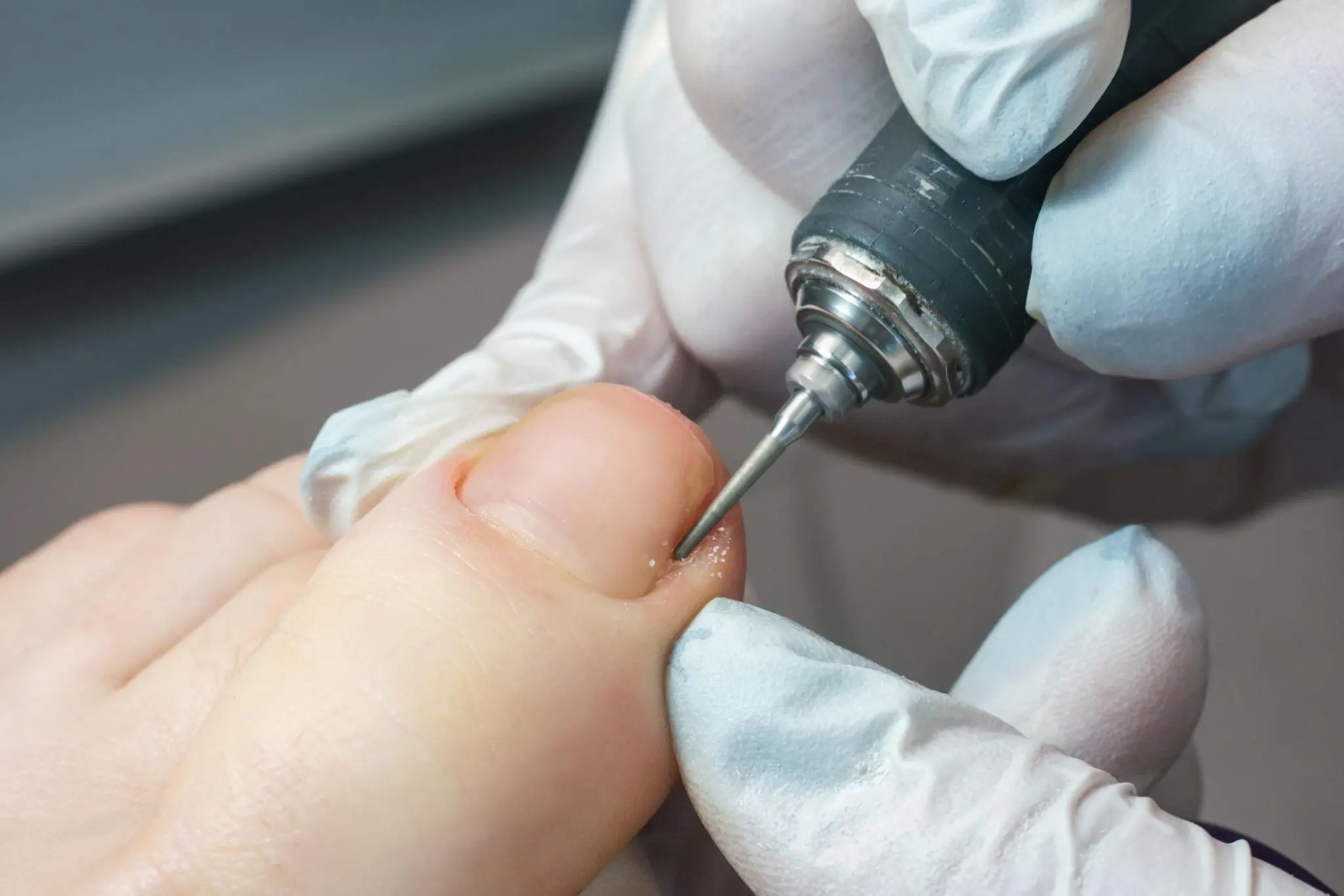
Removing excess thickness can make the nail easier to manage and reduce pressure inside shoes.
Skin treatment
Athlete’s foot or another fungal skin infection may need to be treated at the same time.
Home care changes
Keeping the feet dry and improving shoe and sock habits may help reduce reinfection.
Not every thick or discolored toenail is fungal, which is why an examination is important before the treatment.
What Happens During Your Visit?
Treatment starts with a close examination of the affected toenail and a discussion about when you first noticed the changes. We may also ask about previous nail injuries, treatments or products you have tried, your usual footwear, and any health conditions that may affect your care.
Your visit may include:
Checking the nail
We look at its color, thickness, texture, and shape.
Examining nearby skin
Peeling, itching, or scaling may indicate fungus elsewhere on the foot.
Reviewing your health history
Conditions such as diabetes or circulation problems, along with certain medications, can affect which treatments are suitable.
Confirming the cause
Testing may be recommended when needed to determine whether fungus is present.
Discussing your options
We explain which treatment may be suitable based on what we find.
Planning follow-up
Since new toenail growth takes time, we may need to check your progress later.
How Can You Help Prevent Reinfection?
Fungal infections can return, especially when feet remain damp or footwear is not given enough time to dry. Simple habits can reduce the chance of another infection.
You can:
Keep Feet Clean and Dry
Wash your feet regularly and dry them thoroughly, especially between the toes.
Change Damp Socks
Replace wet or sweaty socks promptly to help keep your feet dry.
Choose Breathable Footwear
Wear shoes that allow adequate airflow when possible.
Dry Shoes Between Uses
Give your footwear enough time to dry before wearing it again.
Protect Your Feet in Shared Areas
Wear sandals in communal showers, locker rooms, and similar spaces.
Avoid Sharing Personal Items
Do not share socks, shoes, nail clippers, or other foot-care tools.
Avoid picking at a damaged toenail or using sharp tools beneath it, as this can traumatize the surrounding skin and increase the risk of further irritation or infection.
Why Choose Goldberg Podiatry Center for Fungal Nail Care?
Toenail changes are not always caused by fungus. We first look at what is happening to the nail before deciding how it should be treated.
At our office, you can expect:
26 years of experience
Dr. Karyn L. Goldberg has extensive experience treating common foot and nail conditions.
A careful examination
We check both the affected toenail and the surrounding skin.
Treatment that fits the problem
The approach depends on the extent of the infection and your health history.
Help with thick nails
Excess nail thickness can be reduced when it causes pressure or makes trimming difficult.
Practical prevention tips
We explain simple ways to keep your feet and footwear drier.
Follow-up when needed
We can check new nail growth and make changes if the infection is not improving.
Take Care of Persistent Nail Changes
A thick or discolored toenail may continue to worsen if an underlying fungal infection is left untreated. Having the nail checked can help determine the cause and what should be done next.
At Goldberg Podiatry Center, we provide toenail fungus treatment in Livingston, NJ, with an emphasis on accurate diagnosis and practical care. Visit us at 22 Old Short Hills Rd #214, Livingston, NJ 07039, United States, or call (973) 251-2906 to schedule an appointment for persistent changes in your toenails.
FAQs
Can toenail fungus spread to my other nails?
Yes. Toenail fungus can spread to nearby nails and the surrounding skin. Keeping your feet clean and dry and following the recommended treatment can help limit it.
Why does it take so long for the nail to look normal again?
Toenails grow slowly. Even when treatment is working, the damaged part needs time to grow out before a healthier nail replaces it.
Is every thick yellow toenail caused by fungus?
No. Nail injuries, repeated shoe pressure, psoriasis, and other conditions can cause similar changes. An examination can help identify the cause.
Can I wear nail polish while I have a fungal infection?
It depends on the condition of the nail and the treatment you are using. Some products can make it harder to watch the nail for changes, so ask us before covering it.
Can the infection return after treatment?
Yes. Reinfection can happen. Keeping the feet dry, treating fungal skin problems, avoiding shared nail tools, and wearing protective footwear in communal wet areas may help reduce the risk.