


Diabetic Foot Care in Livingston, NJ
Diabetic Foot Care Near You
Diabetes can affect the feet in ways that are not always easy to notice. Reduced sensation, slower healing, or circulation problems may allow a small blister, cut, or pressure spot to become more serious. At Goldberg Podiatry Center, we provide diabetic foot care in Livingston, NJ, to help patients stay ahead of these concerns and maintain healthier feet.
If you are looking for diabetic foot care near you, our Livingston office offers regular examinations and treatment tailored to your needs. We look for skin, nail, circulation, and sensation changes and explain what you can do at home to lower the risk of complications.
What Is Diabetic Foot Care?
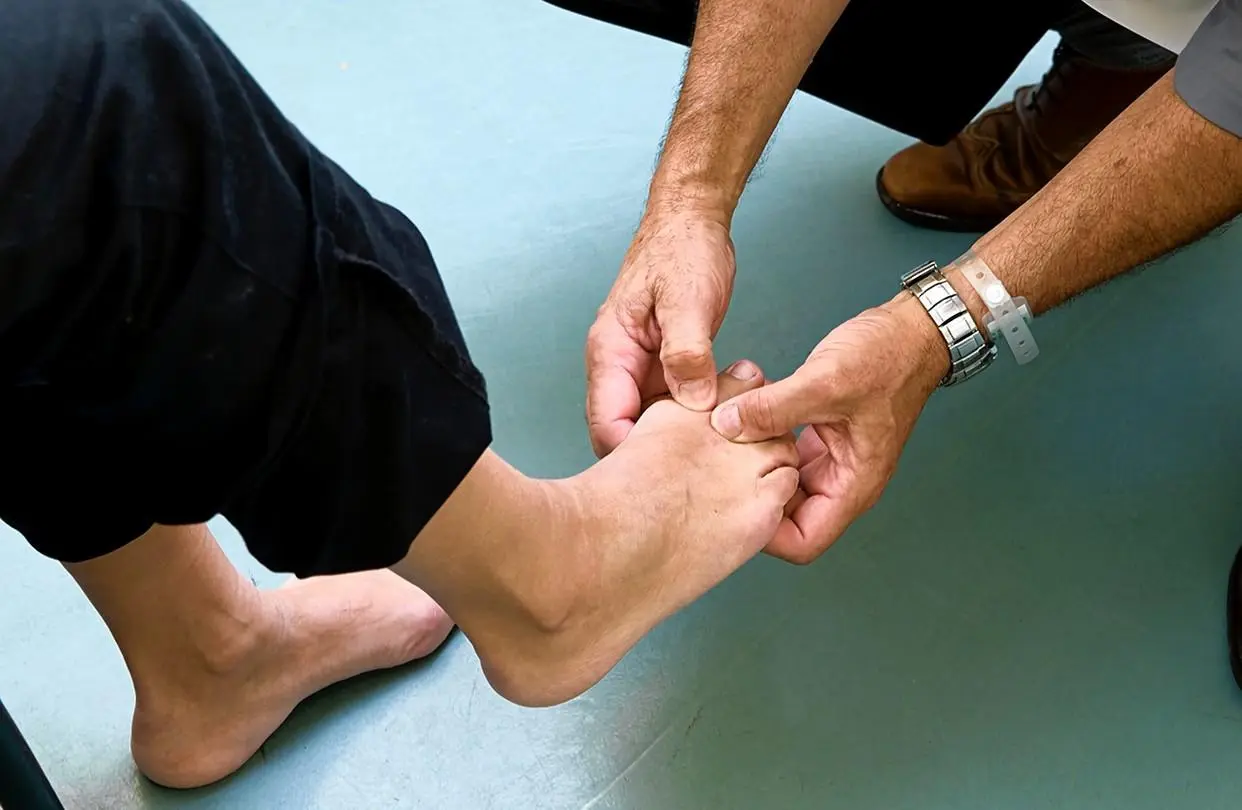
Diabetic foot care focuses on preventing and managing foot problems that may develop when diabetes affects the nerves, circulation, skin, or nails. Over time, diabetes can reduce sensation in the feet and slow the healing of cuts, sores, and other injuries.
Routine visits can help identify problems before they worsen. Your appointment may include a review of the skin, nails, circulation, sensation, footwear, and any areas of pressure or irritation.
Our podiatrist in Livingston, NJ, can determine how often your feet should be checked based on your health history, current symptoms, and risk level.
When Should You Have Your Feet Checked?
You do not need to wait for pain before scheduling a visit. Some diabetic foot problems may develop with little or no discomfort, especially when sensation has decreased.
See a podiatrist if you notice:
Slow-Healing Wounds
A sore, cut, or blister that takes longer than expected to heal.
Redness or Warmth
Redness, warmth, or irritation around a specific area of the foot.
Numbness or Tingling
Numbness, tingling, burning, or changes in how your feet feel.
Skin Cracks or Breaks
Cracks, breaks, or other changes in the skin.
Wound or Nail Drainage
Drainage coming from a wound or around a toenail.
Skin Colour Changes
Noticeable changes in the colour or appearance of the skin.
Foot or Ankle Swelling
Swelling affecting the foot, ankle, or surrounding areas.
When you have diabetes, regular visits to a podiatrist near you can help monitor your foot health, identify changes early, and address concerns before they become more difficult to manage.
Why Is Diabetic Foot Care Important?
Foot problems can become harder to manage when circulation is reduced, or an injury is difficult to feel. Regular visits make it easier to spot small issues early and address them before they become more complicated.
Possible benefits include:
Identifying Skin Concerns Early
Helps catch sores or skin problems before they become more serious.
Checking Pressure Areas
Helps identify pressure spots that may cause irritation or skin breakdown.
Monitoring Foot Sensation
Checks for changes in feeling, numbness, tingling, or sensitivity.
Assessing Circulation
Looks for signs that blood flow to the feet may be reduced.
Managing Nail Concerns
Provides safer care for thick, damaged, or problematic toenails.
Preventing Unnoticed Injuries
Helps identify foot injuries that may otherwise go unnoticed.
Checking Footwear Fit
Ensures your shoes fit properly without creating unnecessary pressure on your feet.
At Goldberg Podiatry Center, we offer diabetic foot care near you to help you stay aware of changes and respond before they begin to affect mobility.
What Does Diabetic Foot Care Include?
Each visit is based on what your feet need at the time. Some patients mainly require preventive monitoring, while others may need treatment for a specific concern.
Care may include:
Skin inspection
We look for cracks, blisters, sores, redness, or irritation.
Nail care
Thick, damaged, infected, or ingrown nails may be treated when needed.
Sensation testing
We may check how well you can feel touch or pressure.
Circulation review
The feet are examined for signs that blood flow may be reduced.
Pressure assessment
Corns, calluses, and high-pressure areas are reviewed.
Footwear advice
We may suggest changes if your shoes are rubbing or fitting poorly.
Wound management
Open sores may need treatment and regular follow-up.
Your care plan is based on your current foot health and any risks identified during the examination.
What Happens During a Diabetic Foot Exam?
Your appointment begins with a discussion about your diabetes, medications, previous foot problems, and anything unusual you have noticed recently.
We may then:
Look over the skin and nails
We check for sores, calluses, cracks, discoloration, and nail changes.
Check for swelling
Puffiness around the feet or ankles may need further attention.
Test sensation
Simple screening methods can show whether nerve function has changed.
Assess blood flow
We look for signs that circulation may be reduced.
Review your shoes
Poor fit or repeated rubbing can create problem areas.
Explain what we find
We discuss any concerns and what you should watch for at home.
How Can You Look After Your Feet at Home?
A short daily routine can help you notice problems before they worsen. Even if your feet feel normal, it is still important to look at them regularly.
Helpful habits include:
Check Your Feet Daily
Look at the tops, soles, heels, and between your toes each day.
Wash and Dry Thoroughly
Wash your feet regularly and dry them well, especially between the toes.
Moisturize Dry Skin
Apply moisturizer to dry areas, but avoid applying it between the toes.
Wear Proper Footwear
Choose clean socks and shoes that fit comfortably and properly.
Check Your Shoes
Look inside your footwear for rough areas, debris, or small objects before putting them on.
Avoid Barefoot Walking
Wear suitable footwear to help protect your feet from injury.
If you have difficulty seeing or reaching your feet, consider asking a family member or caregiver to assist with regular foot checks.
Why Choose Goldberg Podiatry Center for Diabetic Foot Care?
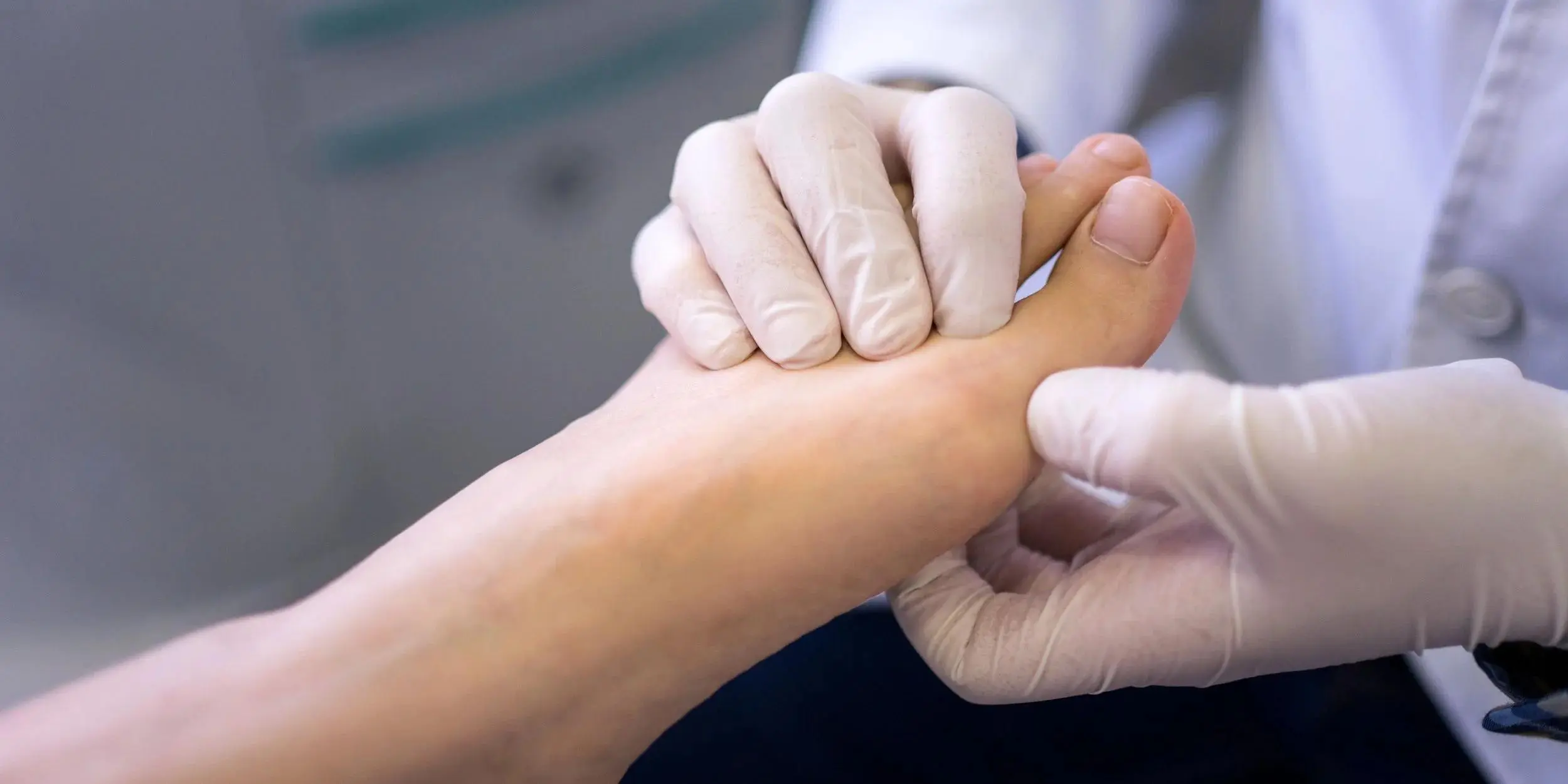
Diabetes can make small foot problems more important than they seem. Our approach combines preventive visits, practical guidance, and timely treatment when a concern appears.
When you visit our office, you can expect:
Experienced podiatric care
Dr. Karyn L. Goldberg brings 26 years of experience to the treatment of foot and ankle conditions.
Individual risk assessment
We consider circulation, sensation, skin health, and previous problems when planning your visits.
Early attention to minor issues
Small wounds, pressure spots, and nail changes are addressed before they become more difficult to manage.
Simple home-care advice
We explain what to watch for and what you can safely do between appointments.
Convenient in-office treatment
Many common diabetic foot concerns can be handled without leaving the practice.
Clear explanations
We make sure you understand what we find and when follow-up may be needed.
Stay on Top of Your Foot Health
Small changes are easier to address when they are caught early. Routine exams, supportive footwear, and daily foot checks can help lower the risk of more serious problems.
At Goldberg Podiatry Center, we provide diabetic foot care in Livingston, NJ, with an emphasis on prevention and early treatment. Visit us at 22 Old Short Hills Rd #214, Livingston, NJ 07039, United States, or call (973) 251-2906 to schedule an appointment or discuss a new concern.
FAQs
How often should I have my feet checked if I have diabetes?
Your exam schedule depends on your foot health. You may need more frequent visits if you have numbness, poor circulation, previous wounds, or ongoing skin or nail problems.
Why is walking barefoot risky if I have diabetes?
Bare feet are easier to cut, scrape, or burn. If sensation is reduced, you may not notice the injury right away.
Can I remove a corn or callus at home?
It is best not to cut corns or calluses yourself. Medicated removal products can also irritate or damage the skin, especially when circulation or sensation is reduced.
What should I do if I notice a blister?
Keep the area protected and avoid popping it. If it becomes red, swollen, painful, or starts draining, contact the office for guidance.
Why can a foot injury be harder to feel with diabetes?
Diabetes may damage nerves in the feet, which can reduce your ability to notice pain, pressure, heat, or injury. This is why regular visual checks are so important.